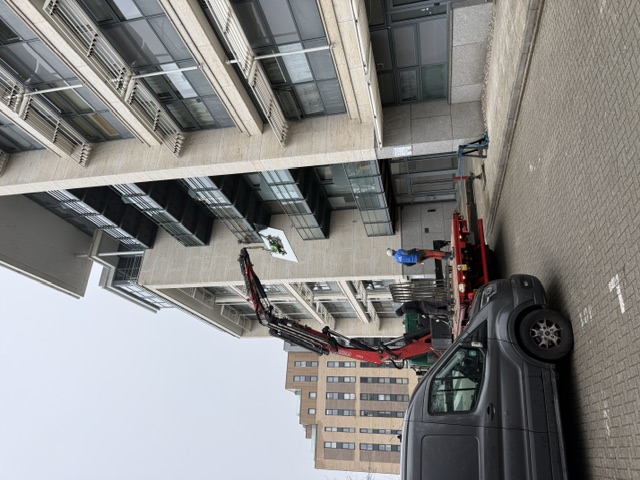
You’ll want Chancery Lane glazing specialists who can diagnose failed seals, draughts and warped frames, then design precise replacements using high‑performance double or triple glazing with correct U‑values and acoustic ratings. Look for firms that handle full façade‑standard design, thermal modelling, and compliant installation to Part L and Part O, including airtightness tapes, warm‑edge spacers and secure hardware. Check portfolios for slim sightlines , large openings and integrated vents, then explore how they manage costs, certifications and aftercare.
Key insights
- Check specialists’ experience in designing, fabricating, and installing complete glazing systems, not just supplying standard windows.
- Confirm certified U-values, acoustic ratings, and compliance with current UK Building Regulations (Part L and Part O).
- Look for portfolios featuring slim sightlines, large-span doors, structural glazing, and modern smart-glass solutions.
- Ensure they offer in-house technical design, including thermal modelling, wind-load calculations, and detailed interface drawings.
- Prioritise companies with proven performance in Chancery Lane’s urban conditions, including noise reduction, security, and energy-efficiency upgrades.
Is It Time to Upgrade Your Chancery Lane Windows?
When your Chancery Lane property’s windows start to mist between panes, feel cold to the touch, or stick in their frames, it’s a strong indicator they’re past their effective service life and due for an upgrade. Those symptoms usually mean failed seals , distorted frames, and degraded hardware, all of which compromise thermal performance and security.
You can’t correct these issues with routine window maintenance alone. Seasonal cleaning, re-caulking, and lubricant on hinges help, but they won’t restore lost insulating performance or structural rigidity. Assess sightlines for warping, check gaskets for brittleness, and inspect locking points for misalignment. If you’re continually adjusting sashes, fighting draughts, or seeing escalating energy usage, it’s time to specify higher‑performance replacement units tailored to Chancery Lane’s urban conditions.
Double vs Triple Glazing for Chancery Lane Homes
When you compare double and triple glazing for a Chancery Lane property, you’re really weighing specific performance gains in U-values, solar gain , and perimeter sealing. You want to know whether the extra pane and gas-filled cavity in triple glazing actually return lower heat loss in your home’s real operating conditions, not just in lab figures. You should also quantify how much additional decibel reduction you gain on busy Chancery Lane roads, and whether asymmetric or laminated units in double glazing might meet your acoustic targets more cost‑effectively than full triple glazing.
Energy Efficiency Comparison
Although both double and triple glazing improve thermal performance over single panes, their real-world efficiency in Chancery Lane depends on U-values, glazing build-up, and local climate demands. You’re balancing heat loss reduction against solar gains, installation cost, and frame performance.
With high-spec double glazing (low-e coatings, argon fill, warm-edge spacers), you’ll typically achieve U-values around 1.2–1.4 W/m²K, which already aligns well with Chancery Lane’s moderate heating load. Triple glazing can push this below 1.0 W/m²K, but only delivers marginal savings unless you’re targeting near-passive standards.
You should also factor in solar control and window tinting options. Selectively coated glass can optimise g-values, limiting summer overheating while preserving useful winter gains, ensuring the whole glazing system performs efficiently year-round.
Noise Reduction Benefits
Beyond thermal performance, double and triple glazing differ in how effectively they cut external noise, which matters in Chancery Lane’s busier areas near main roads, rail lines, and flight paths. With double glazing , you typically achieve 30–35 dB reduction using a 4/16/4 configuration; upgrading to acoustic laminate or asymmetric panes improves performance at mid‑to‑high frequencies.
Triple glazing can push attenuation closer to 40 dB, but only when you vary glass thicknesses, optimise cavity depths , and specify argon or krypton fill to avoid resonance. It’s not automatically quieter.
For best results, you should combine high-spec frames, precision installation, and airtight perimeter sealing. Integrating window tinting and solar control glass lets you manage glare and heat gain without compromising the acoustic package.
Choosing Window Frame Materials: uPVC, Aluminium or Timber
How do you decide between uPVC, aluminium , and timber frames when each behaves differently under Chancery Lane’s climate, building regs, and performance demands? You start by quantifying Frame durability, thermal performance, and Material aesthetics against your project brief and maintenance appetite.
-
uPVC – Strong value, low maintenance, very good U‑values. It’s ideal for high-volume housing or replacements where cost and airtightness matter more than ultra-slim sightlines.
-
Aluminium – High structural strength, minimal profiles, excellent for large spans and contemporary facades. With modern thermal breaks, you’ll hit stringent Part L targets without sacrificing design.
-
Timber – Superb natural insulation and premium Material aesthetics, especially in conservation or high-end schemes. Engineered, factory-finished timber significantly improves Frame durability with correct detailing and drainage.
Signs Your Chancery Lane Windows Need Repair or Replacement
Once you’ve selected the right frame material, you still need to know when the existing units in a Chancery Lane property have reached the end of their serviceable life. You’ll typically see early warning signs at the window frame: swollen or distorted sashes, failed joints, recurring condensation around fixings, or visible corrosion on aluminium hardware.
Internally, failed seals show as condensation or misting between panes, indicating compromised glazing maintenance and argon loss. You may notice draughts around the perimeter despite intact seals, suggesting frame deflection or degraded packers. Stiff or dropped sashes that catch on the frame point to hinge wear or frame movement. Where multiple defects appear across elevations, it’s usually more cost‑effective to specify a full window replacement rather than piecemeal repair.
Energy‑Efficient Glazing Options to Cut Heating Bills
When you’re trying to cut heating loads in a Chancery Lane property, glazing specification often delivers more impact than frame selection. You’ll want low‑emissivity (low‑E) coatings, warm‑edge spacers , and argon or krypton fills tuned to your building’s orientation and HVAC strategy.
-
High‑performance double glazing – Low‑E soft coat on surface 3, argon fill, and a 20–24 mm cavity can hit very low U‑values without excessive solar gain.
-
Triple glazing – Use where you’re targeting near‑Passivhaus performance. Specify two low‑E layers and optimized cavity widths to avoid diminishing returns.
-
Solar control solutions – Integrate solar shading glass to limit summer gains while retaining winter benefit. Combine laminated inner panes to enhance window security without compromising thermal performance.
Acoustic Glazing for Noisy Chancery Lane Areas
When you specify acoustic glazing for Chancery Lane properties near busy roads, rail lines, or flight paths, you’re relying on a laminated or multi-pane build-up that disrupts sound waves and increases sound reduction indices (Rw). By varying glass thicknesses, incorporating acoustic interlayers, and optimizing cavity depth, you can target specific frequency bands common to traffic and urban noise. This approach doesn’t just cut decibel levels inside; it also improves occupant comfort, supports Part E compliance where relevant, and adds value in high-density urban locations.
How Acoustic Glazing Works
Ever wondered why some double-glazed units dramatically cut traffic noise while others barely make a difference? It comes down to how you engineer the acoustic glazing system, not just the pane count. You’re exploiting mass, damping, and decoupling to disrupt sound transmission across the unit.
-
Asymmetric glass build-ups – You specify different glass thicknesses so sound waves can’t resonate uniformly across both panes. This reduces peak frequency transmission from buses, trains, and nightlife.
-
Acoustic interlayers – You use specialist PVB or resin layers that convert sound energy into heat, boosting Rw ratings beyond standard laminates.
-
Optimised cavity and seals – You vary cavity depth, gas fill, and warm-edge spacers, then pair with precision gaskets—compatible with window tinting films and decorative glass laminates.
Benefits In Urban Areas
In dense Chancery Lane corridors like main roads, Chancery Lane, or near the high street Station, acoustic glazing lets you meet strict noise criteria (BS 8233, ProPG) without overbuilding the façade. You can achieve 40–50 dB Rw+Ctr reductions by pairing asymmetric panes with high-performance acoustic interlayers and correctly sized cavities.
You’re not just cutting traffic, tram, and late-night venue noise; you’re stabilising internal reverberation times, improving speech intelligibility in offices, hotels, and PRS schemes. Thermal coatings and warm-edge spacers maintain Part L compliance, so you don’t compromise energy performance for sound control.
Slimmer profiles preserve urban aesthetics and maximise glazed area, supporting active frontages and natural surveillance, which contributes to community safety and enhanced perceived security on busy Chancery Lane streets.
Bespoke Window Designs for Chancery Lane Period and Modern Homes
Although many Chancery Lane properties share similar construction eras, each home demands bespoke window designs that respect its fabric, detailing, and performance requirements. You’re balancing Historic preservation with thermal efficiency, acoustic control , and security, so every specification must be calculated, not guessed.
A specialist evaluates brick coursing, lintel conditions, cavity depths, and reveal dimensions before proposing a solution. You then align profiles, sightlines, and hardware with the building’s character while leveraging Custom craftsmanship and advanced glazing.
- Design sash, casement, or tilt‑turn systems to match existing mullion and transom grids with millimetre accuracy.
- Specify glass build‑ups that optimise U‑values, g‑values, and light transmission for your orientation.
- Integrate trickle vents, security ratings, and glazing rebates without compromising external or internal aesthetics.
Conservatories, Roof Lanterns and Glazed Patio Doors
Bespoke window design naturally extends to how you handle larger glazed structures such as conservatories, roof lanterns , and patio door assemblies, where glass becomes both enclosure and primary structural element. You’re effectively specifying an integrated envelope system, so you’ll weigh thermal performance, structural load paths, and solar gain control from the outset.
With conservatory styles, you might pair slimline thermally broken aluminium with solar-control glazing and warm-edge spacers to maintain U-values while maximising sightlines. For roof lantern materials, you’ll consider powder-coated aluminium or hybrid timber/aluminium, bonded with high-spec structural silicones and laminated units to meet wind and snow loads.
For glazed patio doors , you’ll likely opt for lift-and-slide or slimline bifold systems using low-friction running gear and multi-point locking.
How to Choose a Trusted Glazing Specialist in Chancery Lane
Because advanced glazing is now a critical building envelope element rather than a simple window swap, choosing a specialist in Chancery Lane means verifying they can design, fabricate, and install to the same standards you’d expect from a façade contractor . You’re not just buying windows; you’re procuring an integrated glazing system.
Look for a partner who can:
- Demonstrate tested glass durability, documented U-values, acoustic ratings, and compliance with Part L and Part O, backed by full specification sheets.
- Show a portfolio that aligns with current design trends: slim sightlines, large-span openings, structural glazing, and integrated shading or smart-glass solutions.
- Provide in-house technical design , including thermal modeling, wind-load calculations, and interface detailing with surrounding substrates, so your glazing performs as modeled over its design life.
Chancery Lane Window Installation Process Step by Step
Once you’ve appointed a glazing specialist in Chancery Lane, the installation process should follow a tightly controlled sequence that protects both performance and programme. Your installer will laser-check openings, confirm tolerances, and verify structural support before removing existing units. They’ll prepare reveals, install packers, and dry-fit each window frame to validate plumb, level, and squareness.
Next, they’ll fix the frame using appropriate anchors, then seal critical junctions with vapour‑control and airtightness tapes. Your chosen glazing options are installed, toe-and-heeled where necessary to prevent sash drop. Perimeter gaps are insulated with low-expansion foam or mineral wool, then weather-sealed externally.
Finally, they’ll commission hardware, adjust ventilation, perform air- and water-tightness checks , and document performance data for your records.
Window Costs, Quotes and Finance Options in Chancery Lane
How do you pin down realistic window costs in Chancery Lane without undermining performance or compliance? You start by breaking down the specification: frame material, glazing type, hardware, and any add‑ons like window tinting or decorative glass. Each variable shifts both unit price and installation labour.
When you request quotes, ask specialists to itemise :
- Core unit price – frame profile, U‑values, gas fill, spacer technology, acoustic ratings.
- Customization – laminated panes, solar-control window tinting, patterned or decorative glass, bespoke colours, oversized units.
- Site-related costs – access equipment, disposal, making-good, out-of-hours work.
For budgeting, get at least three like-for-like quotations, then compare not just totals but technical inputs. Many Chancery Lane firms now offer staged payments, interest-free credit, or green-finance products aligned with energy-efficiency upgrades.
Guarantees, Certifications and Aftercare to Expect
When you appoint a window specialist in Chancery Lane, you’re not just buying frames and glass; you’re buying the legal cover, performance assurances , and service framework that sit behind them. You should expect clearly defined warranty coverage on frames, glass units, hardware, coatings, and installation workmanship, with durations and exclusions listed in writing.
Check that your installer meets recognised certification standards such as FENSA or Certass for compliance, along with manufacturer accreditation for specific glazing systems or smart-window technologies. You’ll want evidence of insurance-backed guarantees to protect you if the firm ceases trading.
Robust aftercare should include scheduled inspections, responsive seal and hinge adjustments, glass replacement protocols, and documented maintenance guidance to preserve thermal performance, acoustic ratings, and security compliance over the product’s lifecycle.
Preparing Your Chancery Lane Home for Glazing Work
Before your installers arrive on site, you should treat glazing work as a small construction project and prepare your Chancery Lane property accordingly: clear at least 1.5–2 metres of working space around each window, remove curtains, blinds, pelmets and window dressings, protect adjacent floors and furnishings with dust sheets or hardboard, and provide clear access routes from the vehicle drop-off point to the work areas. Secure pets , isolate alarms and sensors near openings, and move fragile home decor out of vibration zones.
- Ensure external access: unlock side passages, gates, and roof hatches where applicable.
- Complete window cleaning on existing panes and frames so survey lines and defects are visible.
- Designate a staging area for profiles, glass units, sealants, and power tools.
Frequently Asked Questions
Can Chancery Lane Glazing Specialists Help With Listed Buildings and Conservation Area Restrictions?
Yes, they can. You’ll get survey-driven glazing solutions designed around Historic preservation and Conservation guidelines. Specialists assess existing fabric, document original sightlines , and specify slimline or vacuum units, heritage putty glazing, and compliant timber or metal profiles. They’ll liaise with conservation officers, prepare technical drawings, and justify U‑values, acoustic gains, and solar control, so you upgrade performance, integrate smart coatings, and still satisfy listed building and conservation area restrictions.
Do Window Installers in Chancery Lane Remove and Recycle Old Frames and Glass?
Yes, most Chancery Lane installers handle full window removal and on-site segregation of materials . You’ll typically see them deglaze, separate uPVC, timber, and aluminium, then send units for Glass recycling via licensed waste carriers. Ask if they provide waste-transfer notes, use PAS 2030-compliant practices, and partner with closed-loop recyclers. You should also confirm they upcycle metals and use reclaimed glass cullet in new IGUs where the supply chain allows.
Are There Local Chancery Lane Grants or Schemes for Upgrading to Energy-Efficient Glazing?
You can access several local Chancery Lane grants and schemes for energy-efficient glazing. Check the local council and Greater Chancery Lane Authority for Energy saving incentives and Funding opportunities linked to ECO4, LAD, and Home Upgrade Grant. You’ll typically need EPC data, income/benefit evidence, and installers registered with TrustMark or MCS. Also review green finance offers from regional lenders to combine grants with low-interest retrofit loans.
How Does New Glazing Affect My Chancery Lane Property’s Resale Value and Appeal?
New glazing typically increases your property’s resale value and marketability because you’re upgrading both performance and perception. You improve energy efficiency, cutting heat loss, U‑values, and running costs—key metrics for data‑driven buyers. You also gain aesthetic enhancement: slimmer sightlines, cleaner frames, and consistent finishes modernise façades. In Chancery Lane’s competitive market, these upgrades differentiate your listing, support stronger EPC ratings, and justify a premium asking price with clear, spec‑based benefits.
Can Glazing Companies Integrate Blinds, Security Sensors or Smart Tech Within New Windows?
Yes, you can integrate blinds , security sensors and smart tech directly into new glazing systems. You’ll specify integrated blinds in sealed units, low‑voltage cabling routes, and sensor positions at the survey stage. Installers then embed magnetic contacts, vibration sensors, and smart technology hubs within the frame profile, maintaining sightlines and thermal performance. You’ll gain seamless Security enhancements, precise light control, and app‑based automation without bulky add‑ons or compromised U‑values.
Summary
When you’re weighing up new glazing in Chancery Lane, don’t kick the can down the road. By choosing the right spec—double or triple glazing, ideal U‑values, proper frame material , and certified installation—you’ll tighten your building envelope, cut thermal losses, and improve acoustic control. Get itemised quotes, confirm guarantees and accreditations, and schedule a professional survey. With the right contractor, you’ll secure durable, compliant windows that perform precisely as designed for years.